

When you first start planning a wedding, it is quite easy to think your budget is going to be fairly straightforward.. You have found a few checklists and they all include what you think is everything.. Venue. Food. Photographer. Outfits. Flowers. Music.
Done, right? Surely that’s everything..
Not quite.
There are a surprising number of smaller wedding expenses that can creep into your budget once you actually start booking things and some of them aren't really optional at all.
Giving notice and paying for your ceremony for example (plus purchasing your wedding rings if you are having them) are all necessary but really easy to forget as an expense for the ‘wedding’ .I got married July ‘26 and right at the beginning the cost of the ceremony fee especiallywas a bit of shock to say the least.
Beyond those essentials however, there are a lot of things that you can choose to spend money on, or choose not to and I think separating those two things can make budgeting feel a lot less overwhelming. You don't need to spend £30,000 to prove you're serious about getting married. You just need to work out what matters to the two of you.
1. Giving Notice
Let's start with one of the things you actually need to do if you're getting married in the UK: Giving Notice.
This is one of those costs that can easily get missed because it happens right at the beginning of the process, long before you're booking your photographer or choosing your flowers.
You'll need to give notice before you get married, and there is a fee for this.
The exact amount depends on your circumstances and your local council, so check the current fees with the register office you're dealing with but it is usually around £40-50 each. As an example, the fee in Cambridgeshire is £46.50 per person. It's not usually going to be the thing that blows your entire wedding budget, but it is something you need to account for.
And there are two of you, so make sure you're checking what applies to you both.
2. Your Ceremony Fee
Another essential cost is the actual ceremony. There will be a fee if you're getting married at an approved venue and if you are getting married at the registery office. At the registery office you are paying for the registrars time and space..at the approved venue, you are paying for the registrars time and effort to go to your venue.. significantly more unfortunately.
“*Something to remember here is that you give notice where you live, and you arrange and pay for the ceremony with council of where you are getting married! If you are unsure, double check with your council and the council of the venue.”
This is one of those things where the headline venue price can be a little misleading.
You might see: Venue hire: £X and think, great! That is within budget,
Then you start adding the ceremony fee, food, drinks, service charge, corkage, minimum spend and all the other bits. Suddenly that original number looks very different. So when you're comparing venues, ask:
‘What is the total amount we would actually pay for our wedding, including all compulsory charges?’
That is the number you want to budget from.
Other Venue Things
3. Venue Service Charges
Oh. The service charge.
This is one I would pay particular attention to when looking at venues. A venue might advertise a price that looks manageable, but then have a service charge added on top.
Depending on the venue and what the charge applies to, this can become a significant amount of money so don't just look at the venue hire figure, ask for a full breakdown of what you'll actually pay and specifically ask:
"Are there any service charges, admin fees or compulsory costs that aren't included in this price?"
It is much easier to compare venues when you're comparing the actual total rather than a headline number. (Shamless plug, but this is where a venue comparison spreadsheet comes in really handy and I would recommend a Day42 comparison spreadsheet as it is is incredibly simple and easy to use!
4. Minimum Spend Venues
Some venues have minimum spends rather than simply charging you a flat hire fee. (These are my preferred types of venue and is what we chose when getting married as we felt we had a lot more control over cost). This will usually apply to food and drink, or to the overall amount you need to spend with the venue in general and it is important to know which!
A minimum spend is great but can catch you out if you've built your wedding around a certain number of guests and then realise you have to reach a minimum spend regardless.
Make sure you understand:
What the minimum spend is
What counts towards it and any associated timings
Whether VAT is included
What happens if you don't reach it
Again, you're trying to work out the real cost of the wedding, not just the attractive starting price.
5. Corkage
If you're at a venue that allows you to bring your own soft drinks or alcohol it is very important to check whether the venue charges corkage.
It would really suck if you might find a cheaper way of buying your drinks, usually wholesale, but then discover the venue charges a fee per bottle. Venues that already sell drinks will usually have corkage fees and it is usually based on the type and size of the drink e.g a spirit might be £40 a bottle, juice, siginifcantly less.
Sometimes it can still work out cheaper. Sometimes it doesn't. Do the maths before assuming either way and make sure you know before putting down any deposits or commiting to a venue!

6. Cake Cutting Fees
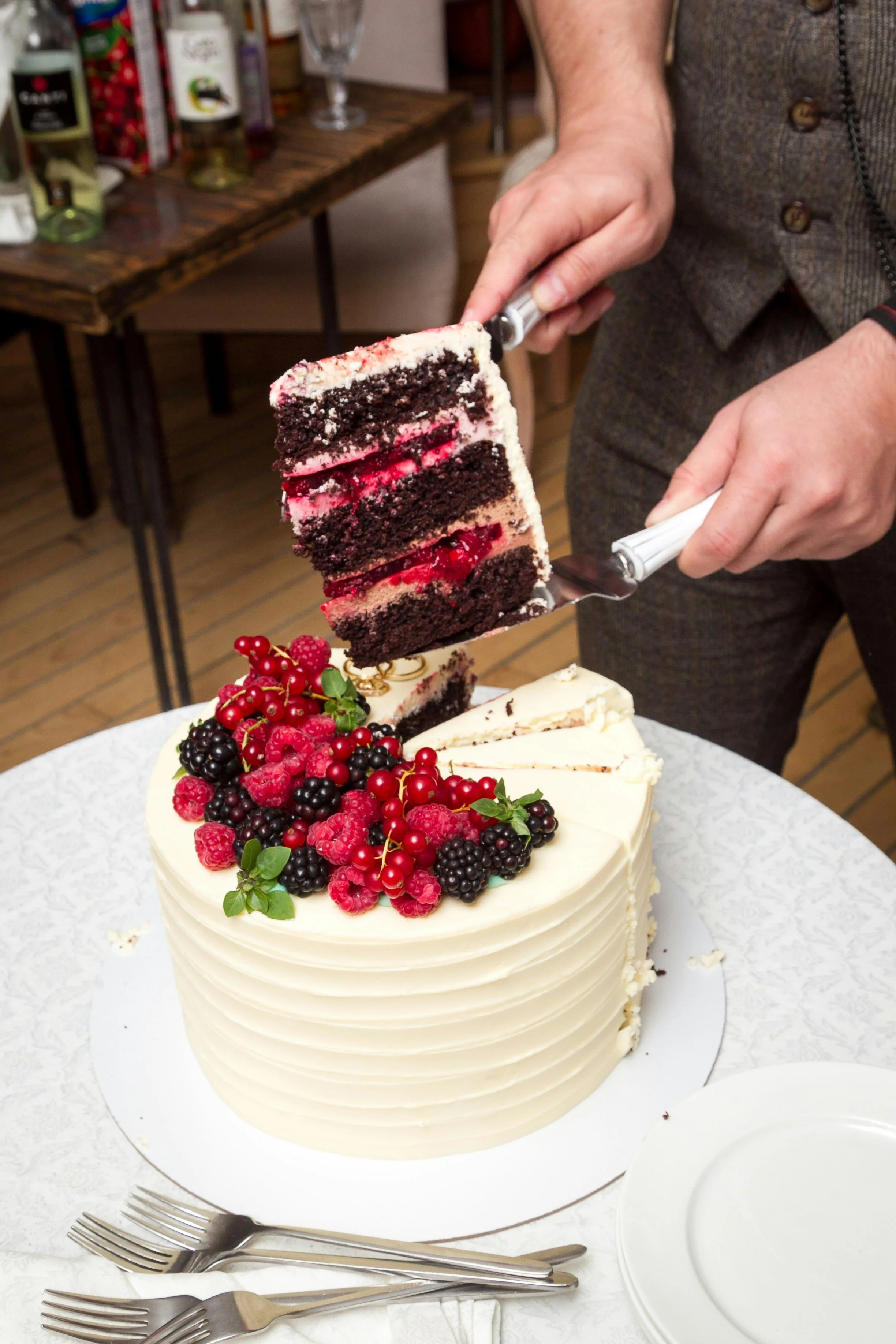
Ah Cake. The more you know about me as a person, the more you will realise that I love cake. Yet I was still somewhat surprised at the cost of weddings cakes and even more surprised when I found that some venues charge a cake cutting fee.
It sounds like such a tiny thing but I swear, it is not. We had a venue that charged £15 for the cake that we had already purchased, to be served as dessert for example. That is not £15 total.. £15 PER PERSON. We had a 76 person wedding.
That is more than a THOUSAND GREAT BRITISH POUNDS to serve our own cake.
So another thing to ask :)
7. Confetti
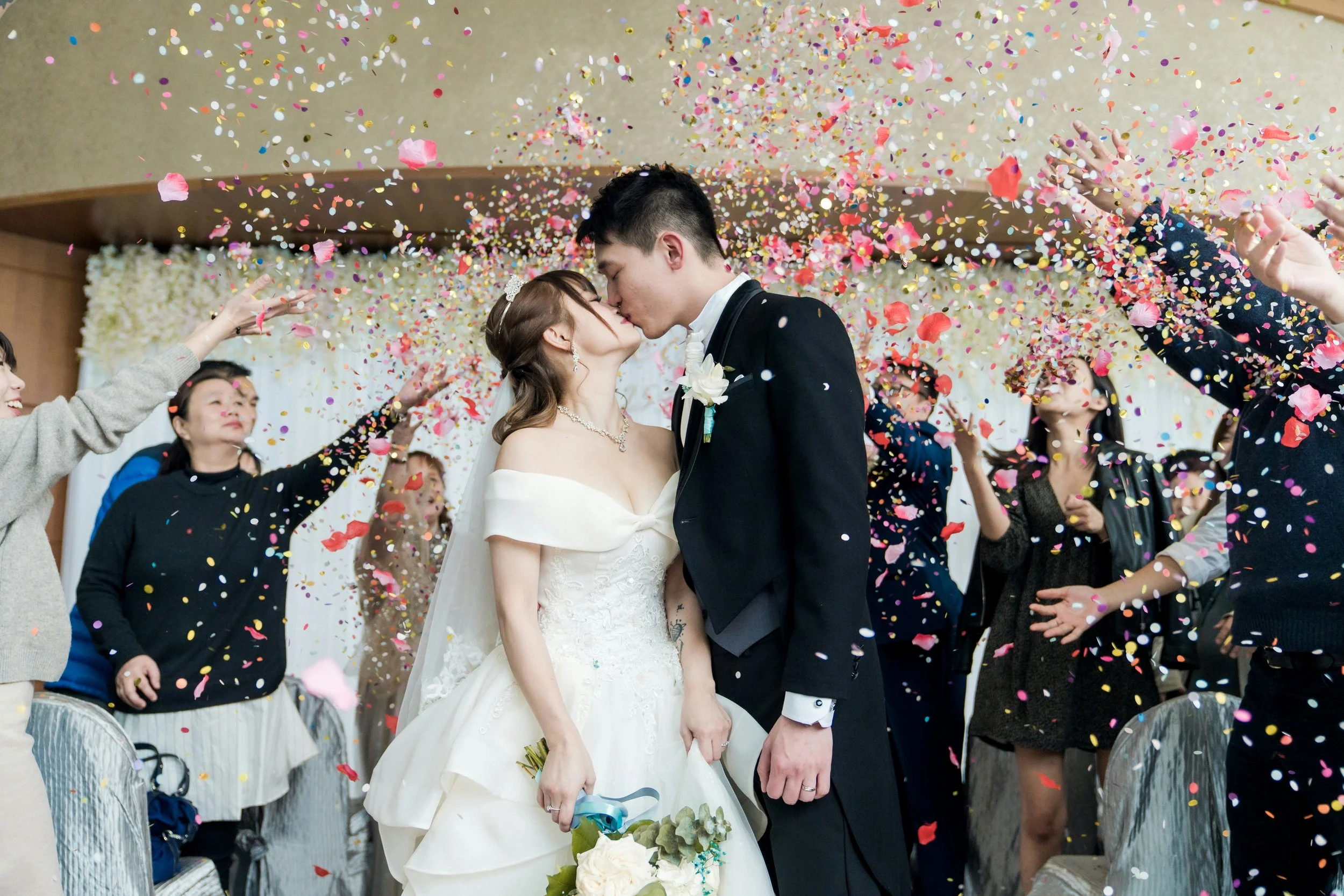
Ah the confetti shot, if you choose to do one there are some things you need to know.
Some venues do not allow confetti at all
Some venues are specific about the type of confetti you use. Biodegradable or dried flower confetti, for example.
Some venues will charge you for the confetti clean up fee.
We chose dried petals for our wedding which cost about £100 and then the venue would have charged £100 clean up fee. This was worth it for us, but it might not be for you especially when you look what your other priorities are.
8. Venue Overtime
Check what happens if your wedding runs over. There may be a set time when the bar closes, music stops and everyone has to leave but if you want to keep the party going, there could be an additional charge (assume there will be).
If your suppliers need to stay later than planned, that could potentially mean extra costs from them too (again, assume there will be, I do not know many people who would work a few extra hours for free).
Ask your venue what happens if you go over the agreed timings.
9. Supplier Meals
This is another one to check with both your venue and your suppliers, as the rules can vary.
Some venues make supplier meals compulsory and charge a set price per person. Others don't include them, so you might need to arrange food separately or accept that your photographer for example will need to go off and grab some food.
Some photographers, videographers, bands or other suppliers will have a meal included as a requirement if they're working for a certain number of hours. Others won't.
So when you're getting your venue quote, ask whether supplier meals are required and what they cost. Then check each supplier's contract to see whether they require one too.
It might only be a small cost, but if you've got several suppliers working all day, it can quickly add up.
Don't assume it's included, check both sides and put it in your budget.

10. Outfit Alterations

You've budgeted for your outfits, but don't forget the cost of actually getting them to fit properly. Unfortunately for both Men and Women, fancy clothes whether it is a suit or a dress or a 2-piece situation feel like they have been made purposely to make you get them altered. This might be taking up a hem, adjusting a waist, changing sleeves or making other alterations.
Alterations can vary quite a bit in price, so it's worth asking when you buy your outfits what you should roughly allow for and also remember the other little bits that go with your outfits: shoes, accessories, underwear, ties, jewellery, bags etc. You don't necessarily need all of these, of course but if you do, add them to the budget rather than letting them become those random expenses that somehow end up on your credit card.
11. Gifts for your wedding party and family
You don't have to buy gifts for your wedding party, parents or anyone else.
If you want to, that's lovely, but there is no rule saying you need to and they don't have to be expensive. The problem is that £15 here and £20 there can quickly add up when you're buying for several people. So if you've decided you want to give gifts, put a budget against them from the start.
And if you don't want to? Don't. Or if you want to but don’t have the budget.. there are a lot of things you can do for free that your loved ones would still really appreciate!
12. Set Up & Take Down
So lastly! Well done for getting to point 12!
Let’s talk about all those lovely decorations or napkins etc that you have ready to go for your wedding… do you know who is setting them up?
Some venues include this in their price, some charge extra, and some leave it completely up to you.
If you're doing lots of DIY décor, this can actually be quite a big job. You've got tables to dress, candles to place, signage to put out, favours to arrange and then, at the end of the night, everything needs to come back down again.
You might decide to ask friends and family to help, which can work really well. (This is what me, my husband, my mum and our amazing friends did.. at midnight.. in our fancy clothes) Or you might decide that the last thing you want your friends doing on your wedding morning is setting up your centrepieces or staying behind at the end of the night to pack everything away.
In that case, you can pay someone to do it for you. This is something we offer at Day 42, so if you're local to us, it's something we can take off your plate. If you're not local, have a look for local wedding setup and styling services, or ask your venue, photographer or recently married friends if they have anyone they recommend.
Just make sure you check exactly what is included. Does it include setup only? Take down as well? Packing your personal décor into boxes? Returning hired items?
It might feel like an unnecessary expense when you're putting your budget together, but sometimes paying someone else to do a job is worth it, especially when that job would otherwise fall to your friends and family.
Please don't underestimate how much there is to do. ‘We'll just do it ourselves’ sounds very easy when you're six months away from the wedding. It feels slightly different when you're getting married that morning or it’s midnight on the night of your wedding and you want to go to sleep!
Your reality Check
This is probably the biggest thing I want you to take away from this whole list.
There are things you need to budget for because you're getting married.
Giving Notice. Your ceremony. Other venue or supplier essentials.
Then there are all the things you've chosen to spend money on. The flowers. The favours. The signage. The fancy chairs. The extra décor. The personalised everything.
If those things are important to you, spend the money on them.But please remember that you don't have to.
I think it's really easy to get caught up in what a wedding is supposed to look like, especially when you're constantly seeing other people's weddings online. Suddenly you think you need the £500 cake, the £2,000 flowers and 42 different signs because that's what a wedding looks like.
It doesn't. Your wedding can be whatever the two of you want it to be.
Because ultimately, the marriage is the important part. So spend money on the things you genuinely care about, skip the things you don't, and don't feel like you have to make your wedding look expensive for it to be meaningful.
Making the most of your wedding venue
You’ve booked your venue, you have an idea of how you want your wedding to look, but have you thought about how everything is actually going to fit together?
Using my years of experience as an Architect, I'll help you work out how to make the most of your venue and turn your ideas into a plan you can actually work from.
Whether you're trying to work out where to put your tables, how to arrange your ceremony, what furniture you'll need or how to make a fairly ordinary room feel a bit more special, I'll look at the space as a whole and help you bring everything together.
What's included?
Your personalised Day42 Venue Design Book will include:
Venue floor plan: I'll work from a floor plan provided by your venue, source one if it's available online, or work with the information you provide to put one together.
Proposed layout: A floor plan showing where everything should go, including tables, chairs, ceremony seating, dance floor, bar and any other key areas.
Architectural sketches: Drawings to help you visualise how your chosen setup could look.
Design recommendations: Ideas for bringing the space together, from furniture and lighting to decorations, colours and finishing touches.
Buy or hire recommendations: Suggestions for items you'll need, including links to products and suppliers where possible.
Practical considerations: Things to think about when planning your layout, including guest movement, circulation, access and making sure everything works on the day.
Everything will be brought together in a digital booklet that you can refer back to throughout your planning, whether you're sourcing items, speaking to suppliers or getting everything set up.
The aim is to give you a clearer idea of what your venue could look like, what you'll need to make it happen and, most importantly, a plan to work from.